
Is It a Dental Emergency? Signs to See a Dentist Today vs Wait
When a tooth problem means 911 or the ER, when to see a dentist the same day, and when it can wait, plus first-aid steps for a knocked-out or broken tooth.
Call 911 or go to the ER if a tooth problem affects breathing or swallowing, swelling spreads toward your eye or neck, bleeding won't stop, or your jaw may be broken. See a dentist the same day for a knocked-out tooth, a broken tooth, severe toothache, facial swelling or a gum bump. A small chip that doesn't hurt can wait.
This article is general information, not a diagnosis. If you are not sure which group you are in, call a dentist, and call 911 for any breathing problem.
Key takeaways
- Trouble breathing or swallowing, swelling spreading toward the eye or neck, bleeding that pressure doesn't stop, or a possible broken jaw means 911 or the ER, not a dental office.
- A knocked-out permanent tooth needs a dentist right away. Hold it by the crown, try to put it back, or keep it in milk or saliva. MedlinePlus says the longer you wait, the less chance there is to fix it.
- Severe or constant toothache, facial swelling, a broken or cracked tooth and a pimple-like bump on the gum are reasons to call a dentist today.
- A simple chip that isn't causing discomfort usually doesn't need an emergency visit, but it should still be fixed.
- Never put aspirin on the tooth or gum. Rinse with warm water and use a cold compress on the outside of the face instead.
Is it a dental emergency? A quick yes or no check
Work down the list in order and stop at your first yes.
- Are you having trouble breathing or swallowing, or is swelling spreading under your tongue, toward your eye or down your neck? Call 911 or go to the ER now. Don't wait for a dental office to open.
- Did you take a hard hit to the face, can you no longer close your teeth together, or is bleeding not stopping with firm pressure? Go to the ER, or call 911 if breathing is affected.
- Was a permanent tooth knocked out? Call a dentist right away, and follow the steps in the first-aid section below on the way.
- Do you have a severe throbbing toothache, facial swelling, a broken or cracked tooth, or a bump on the gum that looks like a pimple? Call a dentist today.
- Has a toothache lasted longer than a day or two, or do you have a fever, an earache or pain when you open wide? MedlinePlus lists each of these as a reason to contact a dentist or doctor. Call and book promptly.
- Is it a small chip with no discomfort? It usually isn't an emergency visit, but book an appointment to have it fixed.
Not sure which answer fits? At North Houston Dentistry, a real person answers (281) 866-0049, triages your symptoms and tells you whether you need same-day care. Office hours are Monday through Thursday, 9:00 to 4:00, and Friday, 9:00 to 1:00. Outside those hours, the ADA's MouthHealthy guidance is to visit your dentist or an emergency room as soon as possible when you have a dental emergency.
When should you call 911 or go to the ER?
Go to the ER, not a dental chair, when the problem threatens your airway, involves a broken jaw or causes bleeding you can't control. Any one of these is enough:
- Trouble breathing or swallowing, or swelling under the tongue. A tooth infection can spread to the floor of the mouth. MedlinePlus explains that this swelling can come on quickly and may block the airway or prevent you from swallowing saliva, and that breathing difficulty means going to the emergency room or calling 911 right away.
- Swelling spreading toward your eye or neck, or a high fever with swelling. North Houston Dentistry's own emergency dentistry page tells patients to go to the ER or call 911 for these. MedlinePlus calls a swollen area of the upper or lower jaw a very serious symptom of a tooth abscess.
- A possible broken or dislocated jaw. Signs include a bite that feels off, trouble opening or closing your mouth, a numb lower lip, and swelling or bleeding after a hit to the face. MedlinePlus says a broken or dislocated jaw needs medical attention right away because of possible breathing problems or bleeding.
- Bleeding that won't stop. Press firmly with clean gauze. MedlinePlus first aid says to seek medical help right away if bleeding can't be controlled.
Don't drive yourself if breathing is affected. Afterward, the tooth behind an infection may still need dental treatment.
Signs you should see a dentist today
Severe toothache or swelling
The main symptom of a tooth abscess is a severe toothache that doesn't stop and may feel gnawing, sharp, shooting or throbbing, according to MedlinePlus. Other signs include a bitter taste, sensitivity to hot or cold, swollen glands in the neck and gum swelling over the tooth that can look like a pimple.
Don't take it as good news if the pain suddenly eases. MedlinePlus notes that the toothache may stop when pressure is relieved, but the infection stays active and keeps spreading. It also warns that untreated abscesses may get worse and can lead to life-threatening complications. Swelling that stays near one tooth is a same-day dental call; swelling that spreads toward the eye or neck is an ER visit.
Can a broken tooth wait?
Not for long. MedlinePlus advises having your dentist examine any broken or chipped tooth right away, because openings in the enamel let bacteria reach the center of the tooth. How fast depends on what you see and feel:
- A small chip with no discomfort. MedlinePlus says you may not need an emergency visit for a simple chip or a broken tooth that isn't causing discomfort. Have it fixed anyway, so a sharp edge doesn't cut your lips or tongue.
- A broken tooth that hurts, or a crack that hurts when you bite. Contact your dentist right away.
- A broken tooth with swelling or a bump on the gum. That points to a possible infection. Call a dentist today, and go to the ER if swelling spreads or breathing is affected.
- A lost filling or crown. Call and describe it. North Houston Dentistry replaces lost fillings and crowns as part of its emergency care, and the phone triage tells you whether you need to come in the same day.
Is gum trouble a dental emergency?
Usually not, with one exception.
Gums that bleed when you brush or floss, red or purple gums, bad breath and gaps between the gums and teeth are signs of periodontitis, and MedlinePlus advises seeing your dentist for them. Book a visit; it isn't an ER matter.
The exception is a swollen, tender bump on the gum that may drain pus. That can be an abscess. Treat it like a severe toothache and call the same day.
What to do before you reach a dentist
- Call first. North Houston Dentistry asks you to call so the team can triage your symptoms and hold a same-day spot. Ask what to do on the way.
- For a knocked-out tooth, handle it by the crown only. MedlinePlus says not to touch the root, not to scrape or wipe it, not to clean it with alcohol or peroxide, and not to let it dry out. If you can, place it back in the socket so it's level with the other teeth and bite gently on gauze. If you can't, put it in a container with a small amount of cow's milk or saliva, or hold it between your lower lip and gum. Then get to a dentist right away.
- Stop bleeding with direct pressure. Use clean gauze and keep steady pressure on it.
- Rinse with warm water. The ADA recommends rinsing a toothache or cracked tooth with warm water, and MedlinePlus notes warm saltwater rinses may help ease abscess pain. Gently floss out any food caught between the teeth.
- Use a cold compress on the outside of your face to keep swelling down.
- Use over-the-counter pain medicine if you can't see a dentist right away, as MedlinePlus suggests. Swallow it and follow the label.
- Don't put aspirin on the tooth or gum. It can irritate the tissue and cause mouth ulcers.
- Don't dig at something stuck between your teeth with a sharp or pointed object. Use floss gently instead.
Knocked-out baby teeth
First work out whether the tooth was a baby tooth or a permanent one. MedlinePlus explains that in most cases only permanent teeth are replanted, and baby teeth are not. Still call so the dentist can check your child's mouth, and say so if you can't tell which kind it was. North Houston Dentistry sees children too; see its children's dentistry page.
What happens at an emergency visit, and what about cost?
At North Houston Dentistry, an emergency visit follows three steps:
- You call and talk to a real person, who triages your symptoms and holds a same-day slot.
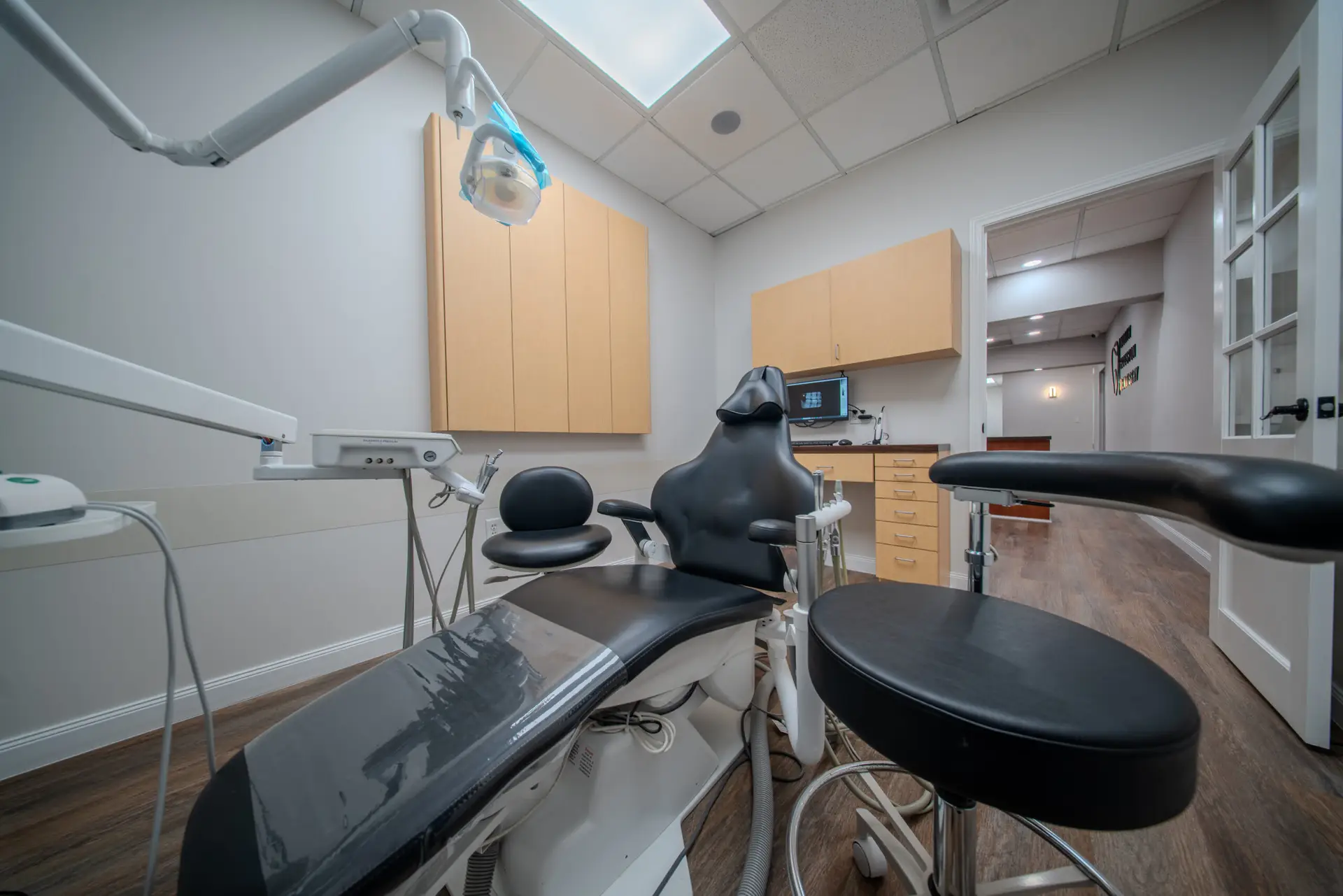
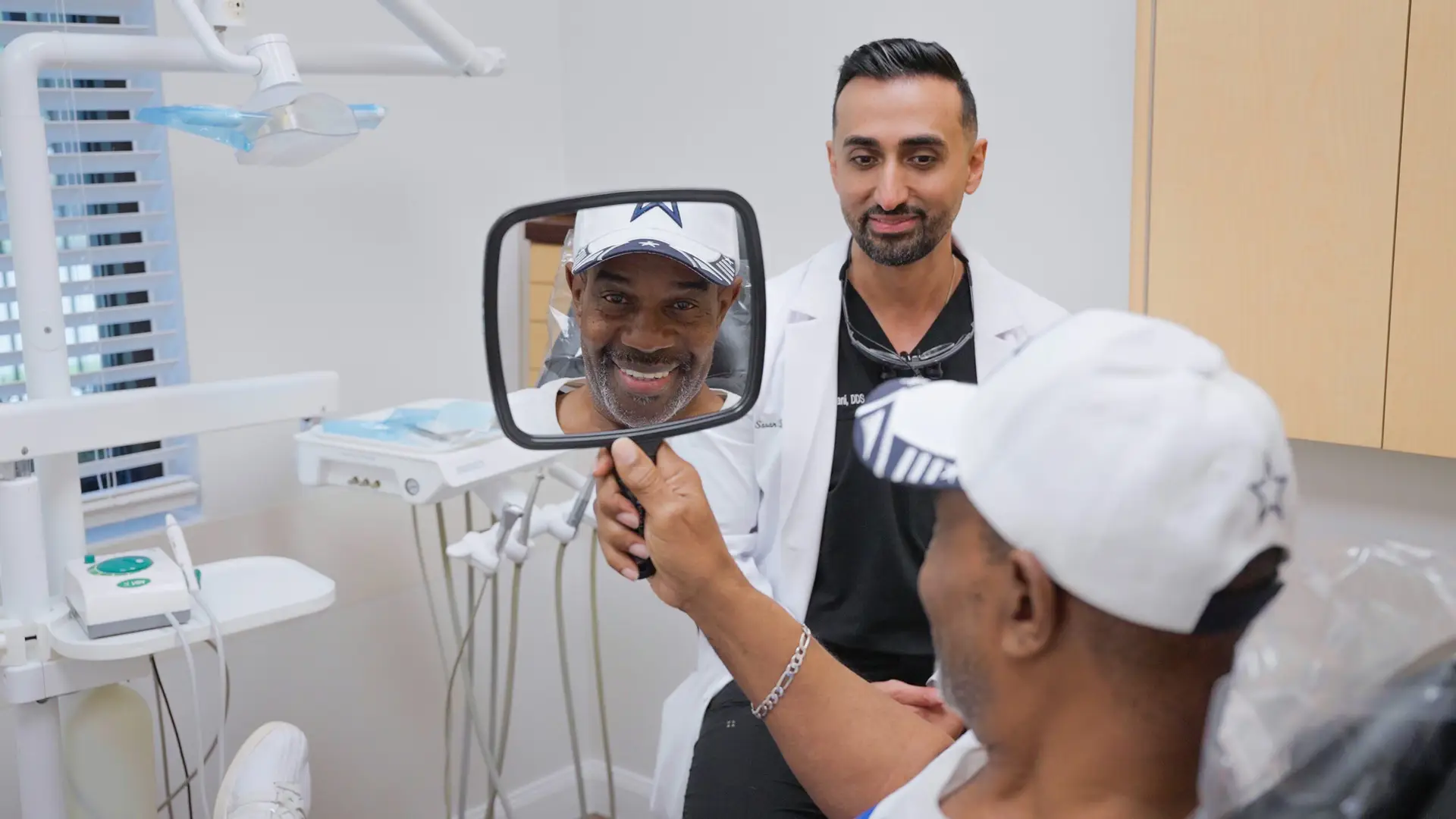
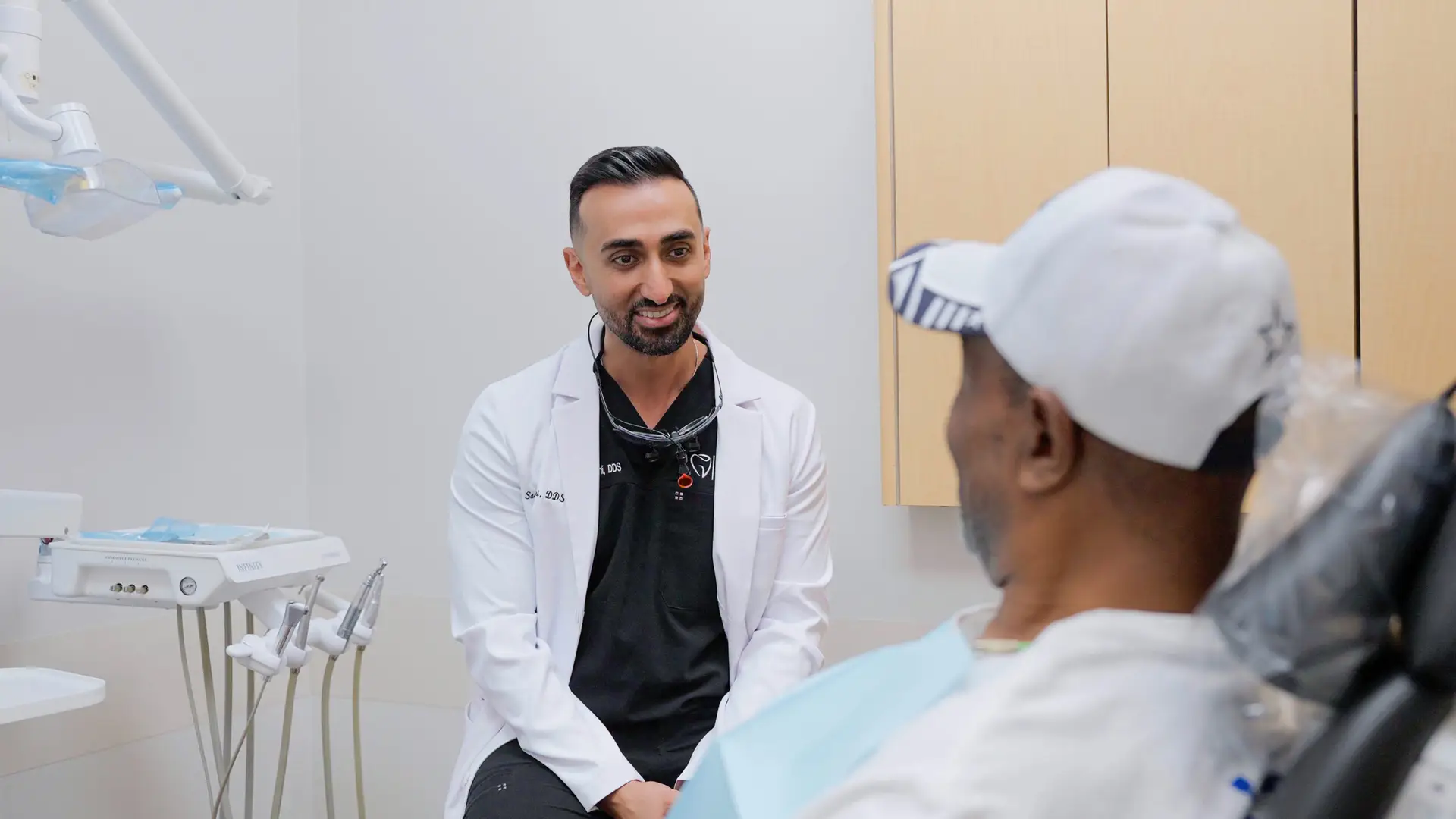
- Dr. Sasan Bastani, DDS, examines the tooth and takes a digital X-ray, so you can see what's wrong.
- You get your options in plain language and the cost before anything starts. Then you decide.
Depending on what the exam and X-ray show, treatment can include pain relief, abscess drainage, a root canal or filling, an extraction, broken tooth repair or a replacement crown. Dr. Bastani earned his DDS at the UT School of Dentistry at Houston, and the practice has cared for North Houston and Cypress Station families since 2016. Read more about Dr. Bastani.
On cost, the office checks your benefits with your plan, confirms your estimated out-of-pocket amount and puts your estimate in writing before treatment starts. It accepts most major PPO plans, Medicaid, CHIP and DentaQuest, and offers payment plans through Cherry for larger treatments. Paying without insurance? The practice publishes its cash fees on its pricing and insurance page.
Hablamos español.
Frequently asked questions
Should I go to the ER or a dentist for tooth pain?
Go to the ER or call 911 if you have trouble breathing or swallowing, swelling spreading toward your eye or neck, a high fever with swelling, a possible broken jaw or uncontrolled bleeding. Without those signs, call a dentist, who can find and treat the tooth causing the pain.
How long can a knocked-out tooth wait?
It shouldn't wait. MedlinePlus says to bring the tooth to a dentist as soon as possible, because the longer you wait, the less chance there is to fix it. Keep it moist in milk or saliva, or back in the socket, on the way.
What should I do if my dentist is closed?
The ADA advises visiting your dentist or an emergency room as soon as possible for a dental emergency. Breathing trouble, spreading swelling, a broken jaw or bleeding that won't stop always means the ER or 911.
How do I reach North Houston Dentistry for a same-day visit?
Call (281) 866-0049. A real person answers, triages your symptoms over the phone and holds a same-day slot if you need one. For non-urgent visits you can also request an appointment online.
Related reading
Keep reading
More from our blog
More plain-language answers from our Cypress Station office.

Come see your X-rays, then decide for yourself.
One visit and one clear explanation, plus a written estimate. Then you decide.
FM 1960, near Cypress Station. Mon–Thu 9:00–4:00, Fri 9:00–1:00.